When a child refuses toothbrushing, the most useful first step is to check whether discomfort could be part of the problem. If pain does not seem to be driving the refusal, make one small change to the routine at a time: move brushing earlier, offer two acceptable choices, or make the sequence more predictable. The goal is consistent caregiver-supported brushing, not a perfect performance or a power struggle. A predictable morning and bedtime tooth routine for kids can also reduce daily negotiation.
Children may resist brushing because they are tired, want control, dislike the taste or texture, feel rushed, or are uncomfortable. Those possibilities are not a diagnosis. This article offers general routine ideas, not an assessment of behavior, sensory needs, anxiety, trauma, or pain.
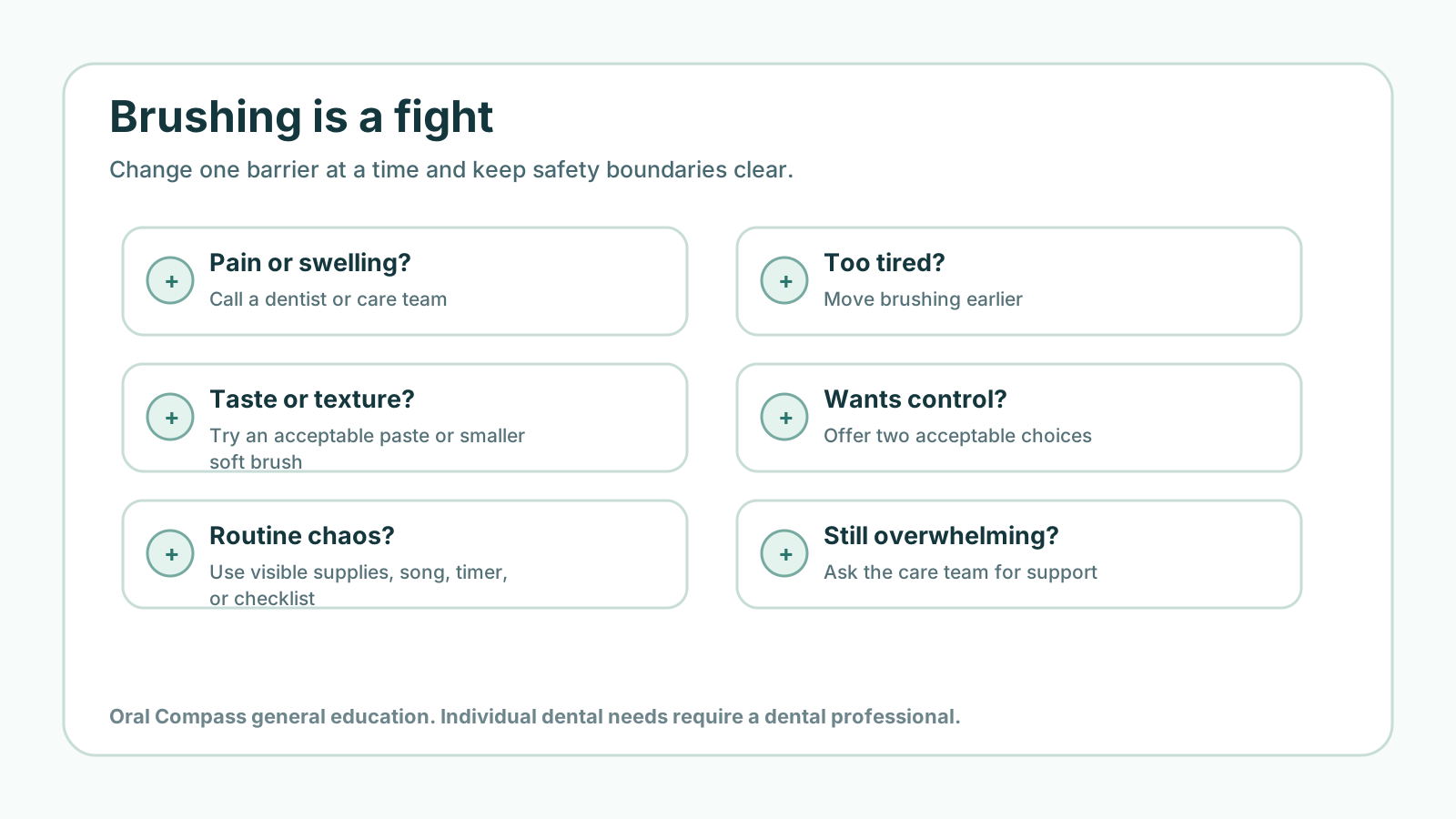
First, check whether brushing hurts
If the refusal is sudden, intense, or tied to mouth pain, swelling, sores, an injury, bleeding that worries you, or trouble eating, contact a dentist or the child’s medical care team. A routine problem and a discomfort problem can look similar from the outside. Do not keep escalating a home routine when brushing appears painful or unsafe.
If the issue is ongoing resistance without obvious symptoms, start by changing the setup rather than blaming the child or the parent.
Lower one routine barrier at a time
Small changes can make brushing feel less like a confrontation. Consider one change at a time:
- Move brushing earlier, before the child is exhausted.
- Keep the toothbrush and toothpaste visible and easy to reach.
- Use a soft toothbrush that fits the child’s mouth comfortably.
- Try a different acceptable toothpaste flavor if taste is the main problem.
- Brush in front of a mirror so the child can see what is happening.
- Use a short song, timer, or visual checklist as the cue.
These are general options, not prescriptions or a behavior plan. What helps one child may not help another.
Offer limited choices
Children often resist when everything feels controlled by someone else. Limited choices can give some ownership while keeping the health goal intact.
Examples include:
- “Do you want the blue brush or the green brush?”
- “Do you want to brush before pajamas or after pajamas?”
- “Do you want to start, or should I start?”
- “Do you want to stand at the sink or sit on the stool?”
The choices should all lead to brushing. Avoid offering choices that make the routine optional if the real expectation is that brushing still needs to happen.
Keep the caregiver role calm and clear
Young children usually need help brushing effectively. If independence is the main source of friction, brushing your child’s teeth when they want to do it themselves offers a shared-responsibility approach. A child may get the first turn for practice, but the caregiver may still need a turn to finish or check hard-to-reach areas.
A simple script can help: “Your turn first, then my turn to help the back teeth.” Keep the language short. Long explanations often make a tired child more frustrated.
If the child wants independence, frame help as teamwork instead of correction. The goal is not to prove the child did it wrong. The goal is to help every tooth get attention.
If sensory differences may be part of it
Some children struggle with toothbrush texture, toothpaste foam, flavor, sound, positioning, or the feeling of someone near their mouth. The sensory-friendly toothbrushing guide organizes general adjustments by brush feel, toothpaste, sound, timing, position, and environment.
This article cannot create an individualized sensory or therapy plan. If brushing remains overwhelming, painful, or unsafe, ask the dentist, pediatrician, or the child’s care team for support. They can help decide whether a different toothbrush, toothpaste, position, accommodation, or evaluation makes sense for that child.
What not to turn this into
Try not to make brushing a test of character, a punishment, or a long argument. Avoid scary dental threats. Fear may get attention in the moment, but it can make future brushing and dental visits harder.
This article also does not recommend restraint techniques. If brushing feels unsafe or impossible, that is a reason to ask for professional help, not a sign that the family has failed.
When to ask for more support
Ask for professional support if the difficulty is persistent, getting worse, consistently painful, or preventing brushing despite calm routine changes. A dentist or pediatric clinician can help separate oral discomfort from other barriers and suggest child-specific support. This guide does not recommend restraint, forceful home techniques, medication, or a diagnosis based on brushing behavior.
Frequently asked questions
Should I let my child brush alone?
Letting a child take a practice turn can support independence, but young children commonly still need an adult to brush, assist, or supervise so all tooth surfaces receive attention. A shared caregiver check-back can keep help matter-of-fact.
What if my child refuses the toothpaste?
If taste or texture seems to be the barrier, try one acceptable alternative at a time while keeping the child’s dentist’s guidance in mind. Do not treat a flavor preference as proof of a sensory condition or replace professional advice about fluoride toothpaste and amount.
Is it okay to use a song or timer?
Yes. A familiar song, timer, or visual cue can make the sequence easier to predict. These are routine supports, not guarantees, and the child still needs caregiver help or supervision appropriate to their age and ability.
The calm takeaway
When a child refuses toothbrushing, check for discomfort first. If the mouth seems comfortable, lower one barrier, offer limited choices, keep the caregiver role steady, and ask for support when brushing remains difficult, painful, or unsafe.
Sources
- FAQ — American Academy of Pediatric Dentistry
- Baby Teeth — MouthHealthy / American Dental Association
- Toothbrushes — American Dental Association
- Toothbrushing Tips for Young Children — American Academy of Pediatrics Section on Oral Health
- Brush, Book, Bed: How to Structure Your Child’s Nighttime Routine — American Academy of Pediatrics