The short answer: clean a baby’s gums from birth with a clean, damp cloth or soft infant toothbrush and water. As soon as the first tooth appears, brush it twice a day with a soft, small-headed toothbrush and a smear of fluoride toothpaste about the size of a grain of rice. A caregiver should do the brushing or closely assist and supervise.
The exact routine can vary with a child’s age, teeth, health, fluoride exposure, and ability to spit. This guide gives general starting points; a child’s dentist or pediatrician can tailor them.
You can start before the first tooth
Baby oral care does not have to wait for a full smile of teeth. Before teeth appear, the routine can be simple: gently wipe the gums with a clean, damp cloth or gauze.
Wipe gently rather than scrubbing. This is simple mouth care, not a way to diagnose or treat a sore, coating, injury, or other unusual finding.
When the first tooth appears
Once a tooth comes in, cleaning changes from gum wiping to brushing. Use a small, soft infant toothbrush and a rice-size smear of fluoride toothpaste. For age-by-age context, see how much toothpaste kids should use.
Brush twice a day, including at bedtime. The goal is a calm, repeatable caregiver routine that reaches the tooth surfaces your baby has—not a perfect-looking session.
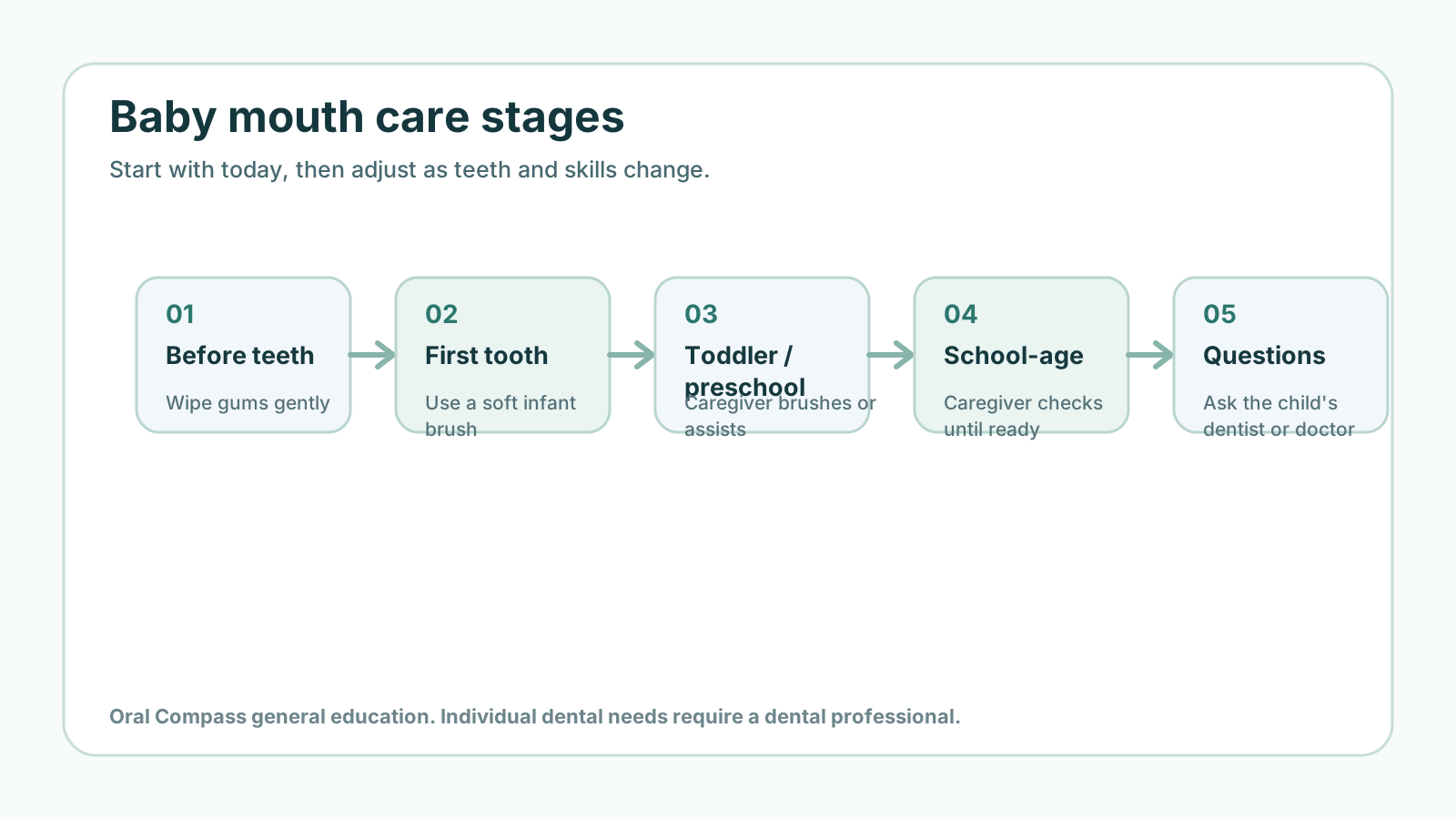
What caregivers should do at each stage
Before teeth
Wipe the gums gently with a clean, damp cloth or a soft infant toothbrush and water. Choose a routine time that works for your household; do not force a cloth into a resisting baby’s mouth.
First tooth
Brush the tooth gently twice a day with a small, soft brush and a rice-size smear of fluoride toothpaste. A caregiver should put the toothpaste on the brush and do the brushing or closely assist.
Toddler and preschool years
Keep helping. Young children usually cannot brush thoroughly on their own, even when they want to hold the brush. A child can practice, but the caregiver still needs to brush, assist, or check the result.
School-age transition
Children become more independent gradually. Caregiver help or supervision should continue until the child can reliably reach all tooth surfaces, use an appropriate amount of toothpaste, and spit out excess toothpaste. Readiness varies; there is no single age that fits every child.
How this connects to the first dental visit
The first dental visit is part of early oral care, not a sign that something is wrong. AAPD guidance recommends a visit when the first tooth appears or no later than the first birthday. The related guide to why baby teeth matter explains why early care is worth taking seriously even before adult teeth arrive.
That visit can help parents ask about cleaning, toothpaste, feeding routines, thumb or pacifier habits, and any child-specific questions.
What this article is not meant to answer
This guide cannot diagnose spots, mouth sores, delayed teeth, pain, feeding issues, fever, diarrhea, or teething symptoms. If something seems unusual or your baby seems uncomfortable, contact your child’s dentist, pediatrician, or other appropriate clinician. Seek urgent help for trouble breathing or swallowing, rapidly increasing mouth or facial swelling, uncontrolled bleeding, or a serious mouth injury; see emergency dental guidance for general next steps.
A simple starter routine
Start with what your baby has today:
- No teeth yet: clean the gums gently with water.
- First tooth: brush twice daily with a rice-size smear of fluoride toothpaste.
- Ages 3 to 6: use no more than a pea-size amount and keep helping or supervising.
- Questions or concerns: ask the child’s dentist or doctor.
Early mouth care is less about doing something elaborate and more about building a calm habit. The routine may need to change as teeth, coordination, and a child’s individual needs change.
Common questions
Should I clean my baby’s gums before teeth appear?
Yes. Starting at birth, gently clean the gums with a clean, damp cloth or a soft infant toothbrush and water. Keep the motion gentle, and stop if the baby is distressed rather than forcing the routine.
When should I start fluoride toothpaste?
As soon as the first tooth appears, use a smear about the size of a grain of rice. Use no more than a pea-size amount from age 3 through 6. A dentist or pediatrician may give different advice when a child has higher cavity risk, special health needs, or other fluoride sources.
Does a baby need to brush twice a day?
The ADA and AAPD recommend brushing an infant’s teeth twice a day, including at bedtime, once teeth have erupted. A caregiver should do the brushing or assist and supervise because babies and young children cannot reliably clean every surface themselves.
When should my baby first see a dentist?
Schedule a first visit when the first tooth appears or by the first birthday. Do not wait for a routine visit if your baby has pain, swelling, an injury, trouble eating, or another concern.
Sources
- Baby Teeth — MouthHealthy / American Dental Association
- Toothbrushes — American Dental Association
- Frequently Asked Questions — American Academy of Pediatric Dentistry
- A Healthy Mouth for Your Baby — National Institute of Dental and Craniofacial Research
- Maintaining and Improving the Oral Health of Young Children — American Academy of Pediatrics