Bedtime is often when the routine is hardest to hold together. A tooth-friendly routine does not need to be perfect or complicated. The useful pattern is to finish food and most drinks, brush with help when needed, then make water the simple option for thirsty mouths afterward.
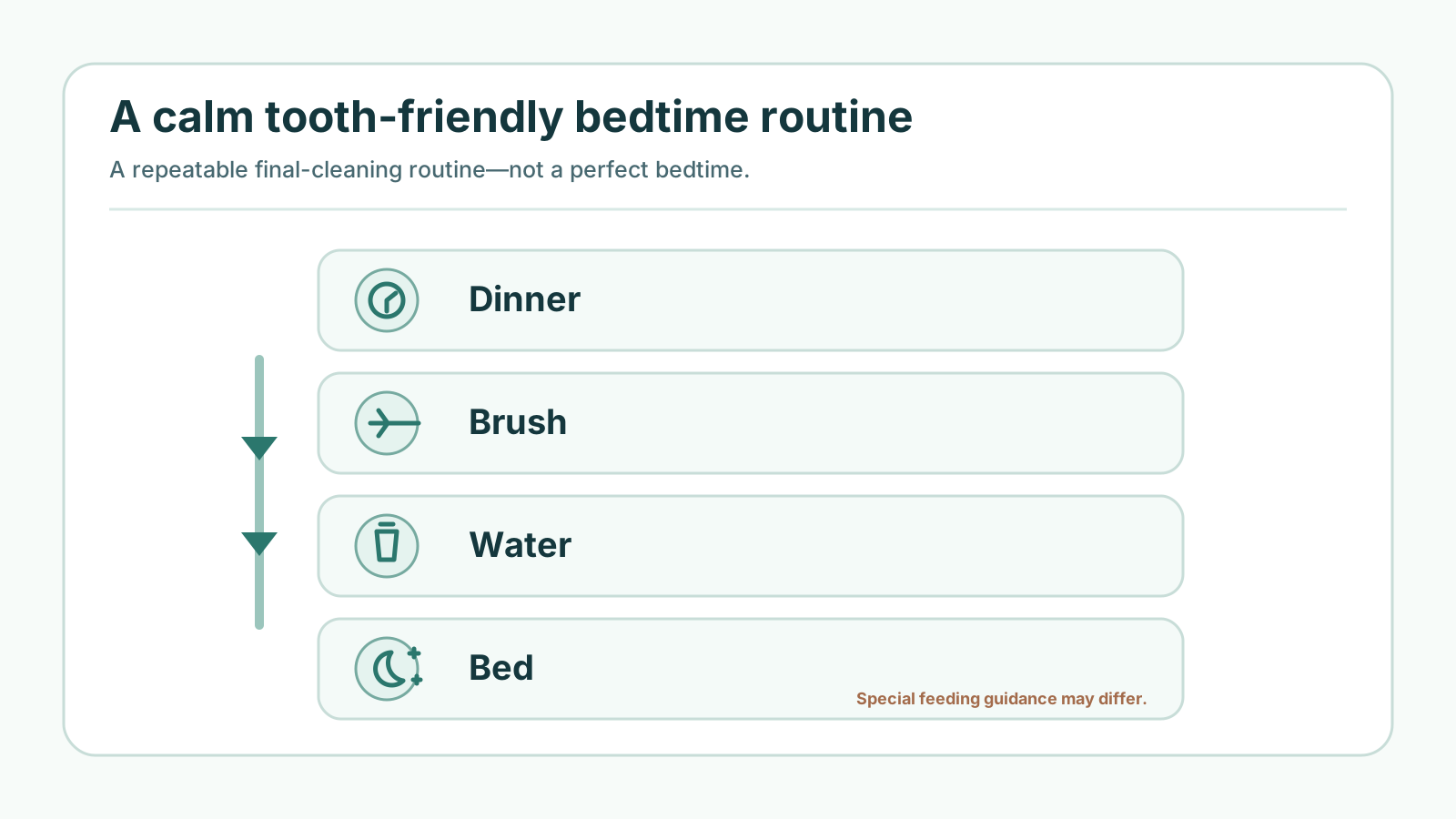
A simple bedtime sequence
- Finish the evening snack, meal, or usual drink routine.
- Brush teeth with fluoride toothpaste in the age-appropriate amount.
- Help or check the brushing when a child still needs it.
- Keep water available after brushing.
- Move into the family’s usual calming routine—stories, cuddles, or sleep.
This sequence is a flexible framework, not a rule about a perfectly timed clock. It gives teeth a final cleaning after the day’s food and drinks without turning bedtime into a lecture.
Why water after brushing is a useful default
Plaque bacteria use sugars from foods and drinks to make acids that can harm teeth over time. Repeated exposure can contribute to risk, especially when a child is falling asleep and there is no final tooth-cleaning step afterward. Plain water does not expose teeth to sugars in the way milk or sweetened drinks can, so it is a simple choice after brushing.
That does not make every non-water drink “bad,” and it does not mean one difficult bedtime causes a cavity. It is about building a repeatable pattern, not assigning blame.
For babies and young children who use bottles or cups, feeding needs can be personal. The CDC cautions against putting a baby to bed with a bottle because milk can pool around teeth and contribute to tooth decay. Bottles, sippy cups, and teeth explains this pattern in more detail. If your child has medical, feeding, growth, or sleep needs, follow the guidance from their pediatrician, dentist, or care team.
Keep the brushing step realistic
Young children need adult help with brushing. Fluoride toothpaste guidance in the United States uses a rice-grain-sized smear for children younger than 3 and a pea-sized amount for children ages 3 through 6, with supervision and help learning to spit.
If brushing becomes a struggle, moving it a little earlier in the sequence can be more workable than waiting until everyone is exhausted. What to do when a child refuses toothbrushing has calm routine ideas; it is not a measure of anyone’s parenting.
Make room for family reality
Some nights will be messy. Families may keep supplies visible, offer a child a choice between two acceptable options, and return to the routine at the next opportunity. These ideas may not fit every child or every night. The goal is steady care over time, not a bedtime performance.
For a broader daily rhythm, see a simple morning and bedtime tooth routine for kids. For toothpaste amounts and supervision, see how much toothpaste kids should use.
The takeaway
A tooth-friendly bedtime pattern is simple: finish food and drinks, brush with the help a child needs, then use water if they are thirsty. It supports oral health without giving feeding or sleep-training advice. Individual guidance should take priority when a child has special medical or feeding needs.
Sources
- About Feeding From a Bottle — Centers for Disease Control and Prevention
- About Fluoride — Centers for Disease Control and Prevention
- Tooth Decay — National Institute of Dental and Craniofacial Research
- Frequently Asked Questions (FAQ) — American Academy of Pediatric Dentistry