Hearing that you need dental treatment can make the rest of the conversation hard to absorb. When time allows, a useful next step is not to search for a universal “best” answer. It is to understand what your dentist found, what the proposed treatment is meant to do, what choices apply to your situation, and how soon a decision is needed.
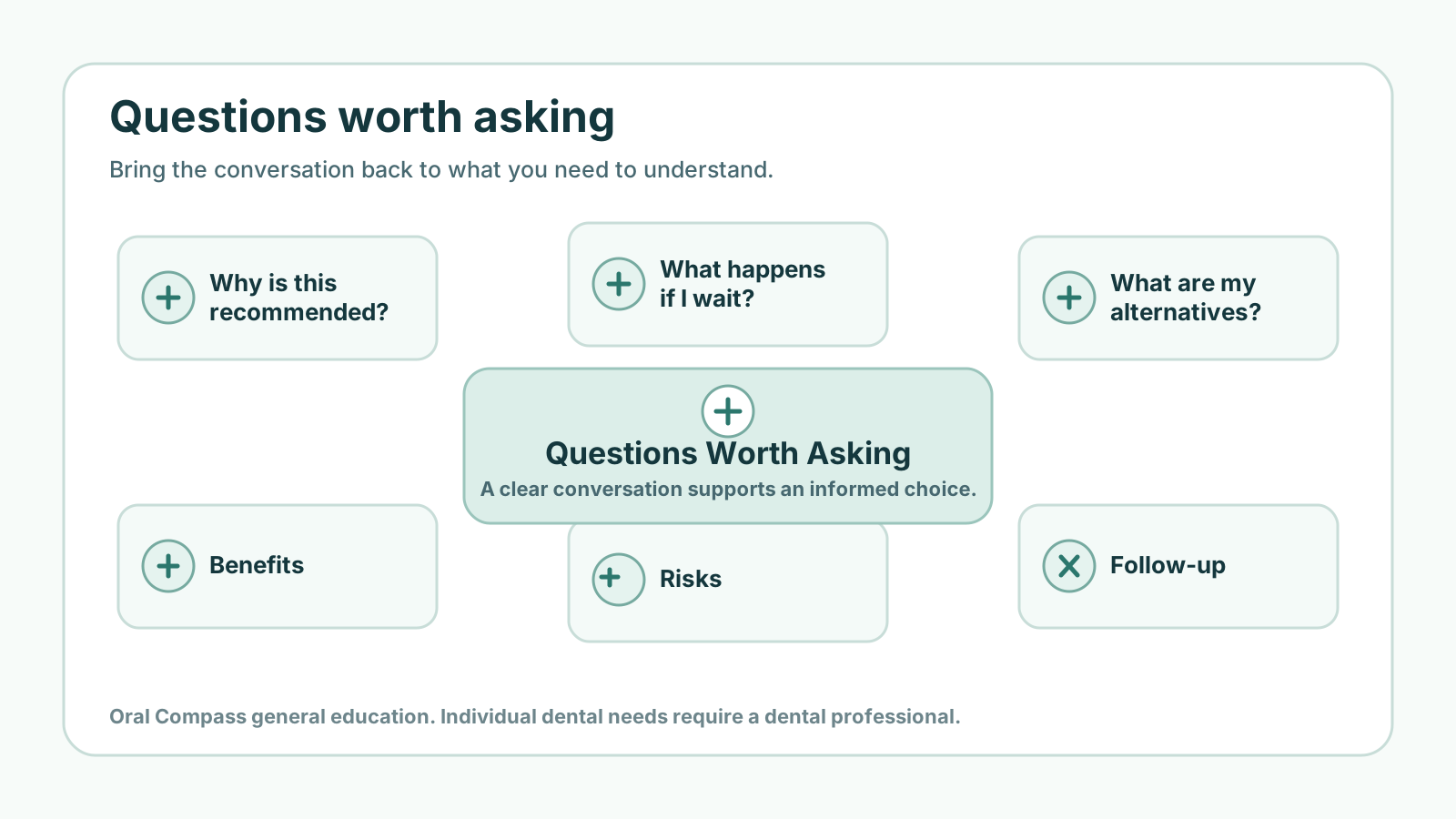
Informed consent is a conversation, not just a form. You should have an opportunity to hear about the proposed treatment, its likely benefits and risks, reasonable alternatives, and what may happen without treatment. The questions below can help you take part in that conversation.
Start with the reason for treatment
Ask:
- What problem are we trying to address?
- What did you see on the examination, images, or tests?
- Can you show me where the problem is and explain it in plain language?
- What is the goal of this treatment?
These questions connect the recommendation to the finding. If an image, scan, or model is part of the explanation, ask what it shows—and what it cannot show by itself. Our guides to dental checkups and dental impressions and scans can help with the basic vocabulary.
Ask about the options
Ask:
- What reasonable options do I have?
- What are the benefits and downsides of each option for me?
- Is monitoring an option? If so, what would you monitor?
- What could happen if I do not treat this now?
- Would another type of dentist be involved?
An alternative is not automatically better, safer, cheaper, or appropriate. The point is to understand which choices your dentist considers reasonable after evaluating your mouth. If the recommendation involves a restoration, learning the general difference between fillings and crowns may make the conversation easier without choosing treatment for you.
Understand benefits, risks, and uncertainty
Ask:
- What benefit do you expect from this treatment?
- What are the common risks or limitations?
- Are there less common but important complications I should know about?
- What parts of the outcome are uncertain?
- What might make the plan change during treatment?
An outcome cannot be guaranteed for an individual. Ask your dentist to explain the expected outcome in terms that fit your particular tooth, gums, health history, and treatment plan. If a percentage or lifespan estimate is offered, ask what it is based on and how much individual results vary.
Ask about timing and the treatment day
Ask:
- How soon does this decision need to be made, and why?
- How long is the appointment likely to take?
- Will treatment take one visit or several?
- What should I expect during the appointment?
- Are there instructions I need before I arrive?
Timing depends on the finding and the person. A general article cannot tell you whether it is safe to wait. If the explanation feels unclear, ask the dentist to separate what is time-sensitive from what can reasonably be considered over time.
Clarify comfort and follow-up
Ask:
- How will comfort be managed during the procedure?
- What is typical afterward, and what would be unexpected?
- Who should I contact if I have a concern after the office closes?
- Will I need a follow-up visit or future maintenance?
- Could this treatment affect other dental work later?
Follow the instructions given for your specific care. Contact the dental office if those instructions are missing, conflict with other medical advice, or do not answer a concern that develops.
Make the cost easier to understand
Clinical recommendations and benefit coverage are not the same thing. Ask:
- What is the estimated total fee?
- What does my dental plan estimate it will cover?
- Could the estimate change if the plan changes during treatment?
- Are follow-up visits, temporary work, imaging, or laboratory fees included?
- When is payment expected?
A pretreatment estimate or preauthorization is not a guarantee of insurance payment. Ask the office to separate the clinical recommendation from the plan’s coverage rules so you can understand both.
A short list to bring with you
If a long list feels overwhelming, bring these six questions:
- What problem are we treating?
- What is the treatment meant to accomplish?
- What reasonable alternatives apply to me?
- What are the main benefits, risks, and uncertainties?
- How soon do I need to decide, and what happens without treatment?
- What will this cost, and what follow-up will I need?
Take notes or ask whether you may bring a trusted person to help listen. You can also ask for written information about the proposed plan.
The practical takeaway
Good questions do not challenge the idea of dental care; they help you understand it. Before agreeing to a common dental treatment, make sure you can explain the problem, purpose, alternatives, benefits, risks, timing, cost, and follow-up in your own words. If you cannot, ask the dental team to slow down and clarify.
Sources
- Types of Consent — American Dental Association
- Patient Autonomy — American Dental Association
- Step 3: Talk With Your Doctor — Agency for Healthcare Research and Quality
- Pre-Authorizations — American Dental Association