When a dentist says a tooth has a problem, unfamiliar words and an unexpected recommendation can make it difficult to know what to ask. Start by separating three things: what was found, what supports the finding, and what choices apply to your situation.
This article cannot interpret an exam or tell you which treatment is right. It can help you prepare for a clearer conversation and leave with a plan you understand.
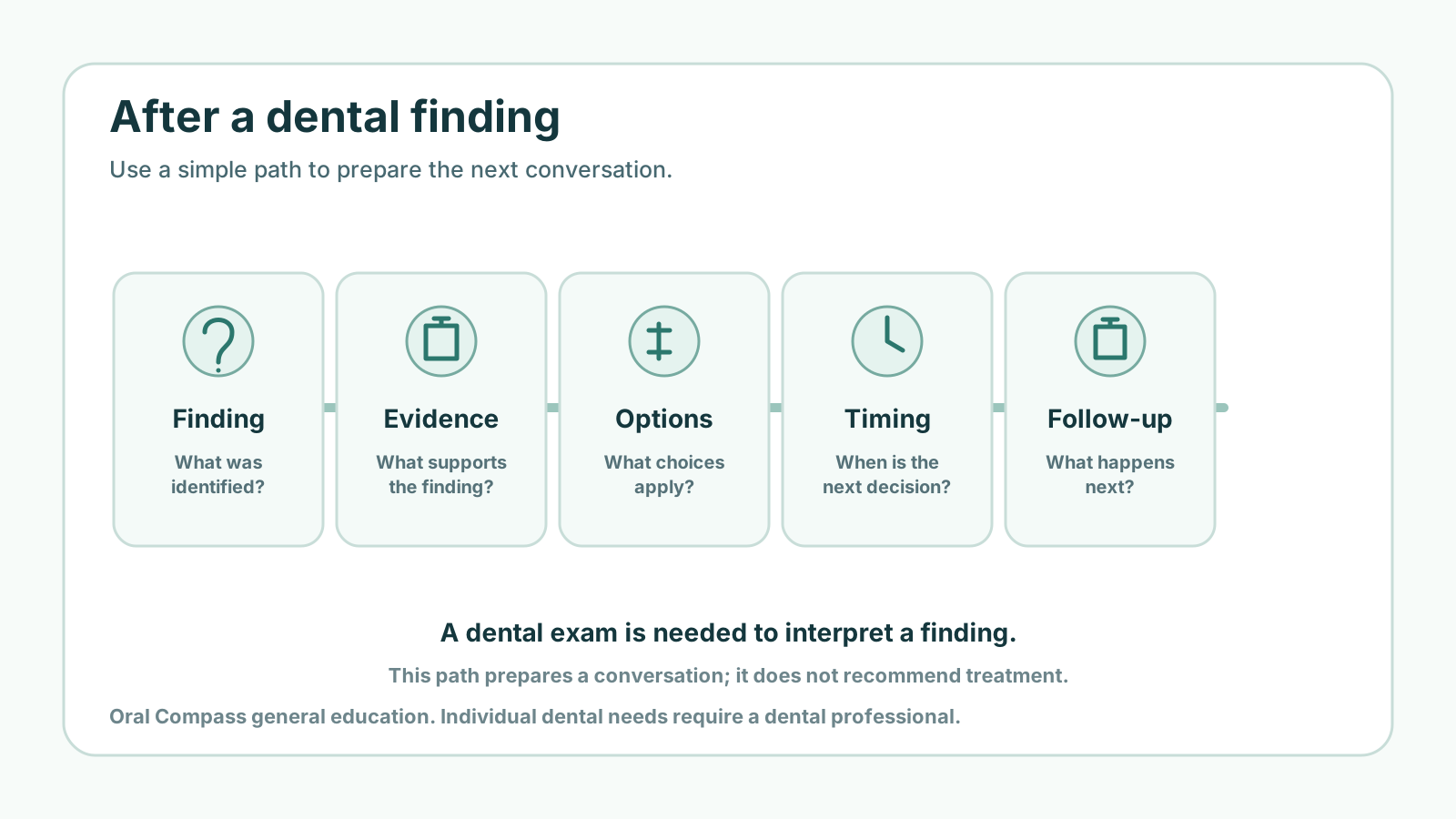
Ask what the finding means
Try these questions:
- What is the name of the finding?
- What does that term mean in plain language?
- Which tooth and which part of the tooth are involved?
- Is this a confirmed diagnosis, a suspected problem, or something you are monitoring?
- Could you show me what you see?
A word such as “decay,” “crack,” “wear,” or “shadow” does not establish the severity, cause, or next step by itself. Ask what the word means for this tooth. Our guide to tooth anatomy and dental-finding language can help with location words, while what happens at a dental checkup explains the broader exam context.
Ask what evidence supports it
Ask:
- Was this found through the visual exam, an X-ray, a photo, a test, or a combination?
- What does that evidence show?
- Are there limits to what this image or test can tell us?
- Would another view, older image, or follow-up exam help show whether it is changing?
If an X-ray, photo, or test is part of the explanation, ask what it contributes and what it cannot establish on its own. The dentist who examined you must interpret that information for your situation. Dental X-Rays: Are They Safe? offers general context about why dental images may be used.
Ask whether the finding is changing
Ask:
- Does this appear new, stable, or different from an earlier visit?
- Do you have an older image or chart entry for comparison?
- What change would make you reconsider the plan?
- If you recommend monitoring it, what does monitoring involve?
If a dentist recommends watching a finding, ask exactly what will be checked, when it will be checked, and what change would alter the plan. The word “watching” alone does not tell you whether monitoring is appropriate for a particular tooth. Our article on what dentists mean by watching a cavity explains the questions involved without suggesting that every early finding should be monitored.
Ask what the options are
Ask:
- What reasonable options apply to this tooth?
- What is the goal of each option?
- What are the likely benefits, risks, and limits?
- What are the implications of doing nothing or waiting?
- Would a second opinion or specialist evaluation add useful information?
The options a dentist considers reasonable can depend on the tooth, the finding, symptoms, dental history, and other clinical details. A general guide cannot turn those factors into a treatment selector. If a filling is among the options, Dental Fillings Basics explains that treatment category without deciding whether it fits your tooth.
Clarify timing without guessing
Ask:
- How soon do I need to decide, and what makes that timing important?
- What changes or symptoms should prompt me to contact the office sooner?
- If we monitor it, when and how will it be checked again?
- What is the next scheduled step?
Avoid using a general online timeline to override advice based on an examination. If you develop pain, swelling, injury, or another new change, contact a dentist for guidance appropriate to your situation.
Ask about practical details
If treatment is being discussed, ask:
- How many visits might this involve?
- What should I expect during and after the appointment?
- What follow-up or maintenance could be needed?
- What is the estimated fee, and what does my dental plan estimate it will cover?
- Could the plan or cost change if you find something different during treatment?
Ask about the clinical recommendation and the dental-plan estimate as separate questions. A benefit estimate can help with planning, but it does not decide which care is appropriate for your tooth. For a fuller treatment conversation, use our guide to questions to ask before dental treatment.
Before you leave
Make sure you know:
- The plain-language name of the finding.
- What evidence supports it.
- Whether it appears stable, changing, or uncertain.
- Which reasonable options apply.
- Why the recommended timing matters.
- What the next step is and who to contact with questions.
Take notes or ask for a written treatment plan if that would help. It is reasonable to say, “I want to make sure I understood. Can I repeat the plan back to you?”
The practical takeaway
A dental finding is the start of a conversation, not enough information for self-diagnosis. Ask what was found, how the dentist knows, what remains uncertain, what options apply, and what happens next. The goal is not to find a universal answer—it is to understand the recommendation for your tooth.
Sources
- Types of Consent — American Dental Association
- Patient Autonomy — American Dental Association