Toothbrushing can feel overwhelming when a child is sensitive to the brush, toothpaste, sound, lighting, position, or a change in routine. A sensory-friendly approach starts by noticing the likely friction point, changing one variable at a time, and keeping the rest of the routine predictable.
These ideas are general starting points. Brushing difficulty does not confirm a sensory, developmental, behavioral, or medical condition, and no single adjustment works for every child. If the broader problem is resistance rather than a specific sensory barrier, begin with what to do when a child refuses toothbrushing.
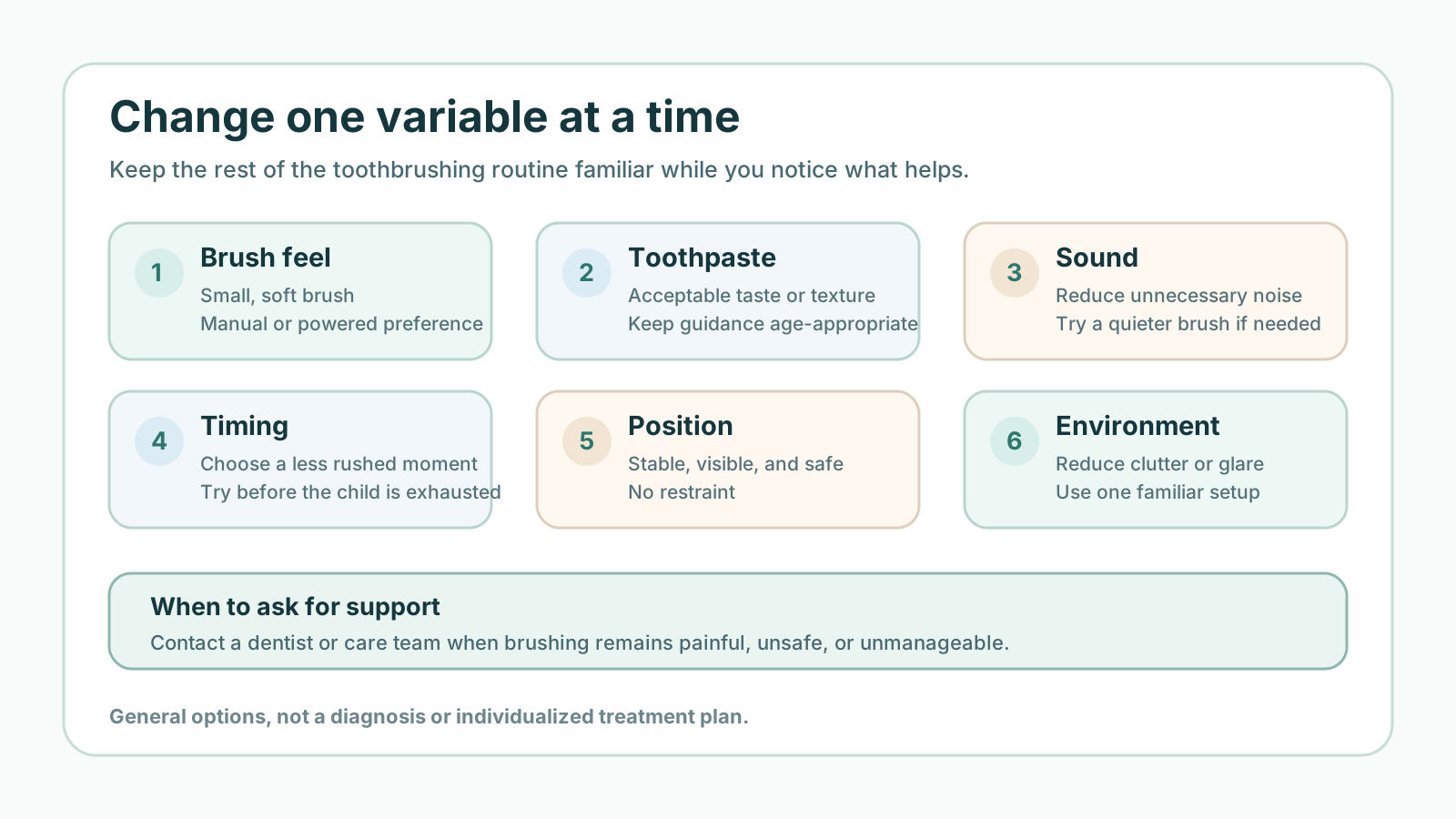
Start with one variable
Changing the brush, toothpaste, bathroom, timing, and caregiver approach all at once can make it hard to tell what helped. Pick the most likely barrier and try one calm adjustment while keeping the rest familiar.
The goal is not to build a perfect sensory plan at home. It is to make routine care more manageable while preserving safe brushing basics and knowing when professional help is needed.
Brush feel
Use a child-sized toothbrush with soft bristles. Some children prefer a smaller brush head or a different handle shape. Others may tolerate a manual brush better than the sound or vibration of a powered brush, while some prefer the steady motion of a powered brush.
Manual and powered toothbrushes can both clean effectively. Comfort and the ability to use the brush safely matter more than choosing the most elaborate option. Letting a child hold or look at the brush before it enters the mouth may make the sequence more predictable, but it is not a formal desensitization program.
Toothpaste taste or texture
Flavor, foam, smell, and texture can all become friction points. If one fluoride toothpaste is hard to tolerate, families can ask a dentist about another age-appropriate option with a different acceptable flavor or texture.
Keep the amount age-appropriate and caregiver-supervised. The guide to how much toothpaste kids should use explains the usual rice-size and pea-size amounts for young children. Do not remove fluoride, switch to a rinse, or create a child-specific plan based only on general internet advice; a dentist or pediatric clinician can help when standard toothpaste remains difficult to use.
Sound
Powered toothbrushes, running water, bathroom fans, echoes, and timers can make the routine feel louder than expected. A quieter room, a manual toothbrush, or turning off an unnecessary fan may reduce the sound without changing the health goal.
If a child likes a predictable audio cue, a familiar short song or gentle timer may help mark the routine. If sound adds stress, silence may be the better option.
Timing
Brushing can be harder when a child is rushed, hungry, or exhausted. Moving the routine a little earlier may help, especially at bedtime. Try to keep the cue stable enough that the child knows what comes next.
A simple morning and bedtime tooth routine can provide that structure. Predictability does not mean the routine must happen in exactly the same way every day; it means the child gets a clear, familiar sequence.
Position
Some children are more comfortable standing at the sink. Others may prefer sitting on a stable chair, facing a mirror, or having the caregiver approach from a position they can see.
Choose a stable position that helps the caregiver see and reach safely without forcing the child into a hold. This article does not provide restraint instructions. If brushing cannot be done safely, stop treating it as a routine-adjustment problem and ask the child’s care team for help.
Environment
Bright light, visual clutter, strong smells, or a busy shared bathroom can add to the load. Consider a calmer space, fewer supplies on the counter, softer lighting that still allows safe brushing, or laying out the same brush and toothpaste before the routine begins.
Keep the setup simple. One brush, one toothpaste, and one familiar sequence may be easier to process than several choices at once.
Keep caregiver help predictable
Young children generally still need an adult to brush, assist, or supervise. The child can have a practice turn, followed by a clearly explained helper turn. The guide to brushing independence offers shared-responsibility approaches without making the routine a test.
Use short, neutral language such as, “Your turn, then my helper turn.” Tell the child what will happen before it happens. Avoid threats, shame, surprise movements, and promises that a method will work immediately.
When home adjustments are not enough
Contact a dentist or pediatric clinician if brushing difficulty is persistent, severe, or connected with pain, swelling, sores, injury, bleeding that concerns you, trouble eating, or a sudden change. Professional support also matters when a child cannot receive adequate daily care, brushing feels unsafe, or medical and developmental needs make general guidance insufficient.
Depending on the child, a dentist may coordinate with the pediatrician or another qualified member of the care team. That is different from a website prescribing an individualized dental, behavioral, or therapy plan.
The calm takeaway
Sensory-friendly toothbrushing is not one special technique. Start with the most likely barrier, change one variable, keep the routine predictable, preserve caregiver support, and ask for qualified help when brushing remains painful, unsafe, or unmanageable.
Sources
- Management of Dental Patients with Special Health Care Needs — American Academy of Pediatric Dentistry
- Frequently Asked Questions — American Academy of Pediatric Dentistry
- Toothbrushes — American Dental Association
- Toothbrushing Tips for Young Children — American Academy of Pediatrics Section on Oral Health